
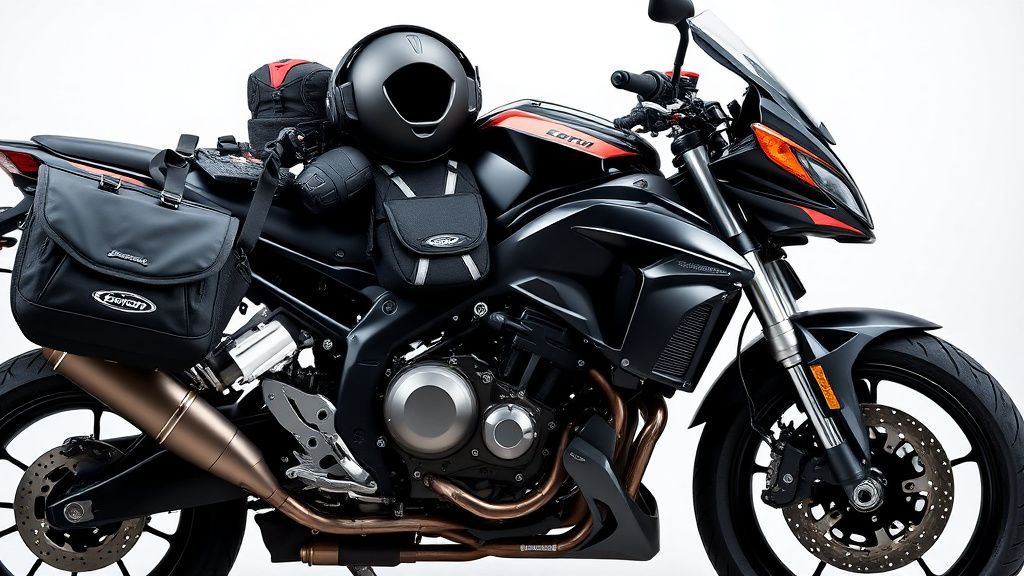
V-Twin Shifters and Linkages: Smooth Gear Changes and Custom Looks
When it comes to V-twin motorcycles, the shifter and linkage system plays a crucial role in both performance and aesthetics. Whether you’re cruising on a Harley-Davidson, a custom chopper, or a performance-oriented V-twin, the right shifter setup can enhance your riding experience with smoother gear changes and a personalized look.
Understanding V-Twin Shifters and Linkages
V-twin shifters and linkages connect the rider’s foot to the transmission, translating lever movement into precise gear changes. Unlike sportbikes, which often use direct linkage systems, V-twins typically employ a more complex setup due to their engine layout and frame design.
Types of Shifters
- Heel-Toe Shifters – Common on touring and cruiser bikes, these allow shifting with either the heel or toe, reducing fatigue on long rides.
- Standard Toe Shifters – Found on many stock V-twins, these are simple and lightweight but may lack adjustability.
- GP Shift (Reverse Pattern) Shifters – Some riders prefer a “race-style” setup where pushing down shifts up a gear, often used for track-inspired builds.
Linkage Components
- Shift Rods – Adjustable rods connecting the shifter pedal to the transmission arm.
- Pivot Points – Bushings or bearings that ensure smooth movement.
- Linkage Arms – Connects the shift rod to the transmission lever, often adjustable for ergonomic tuning.
Benefits of Upgrading Your Shifter and Linkage
Smoother Gear Changes
A worn or poorly adjusted linkage can cause sloppy shifts, missed gears, or excessive play. Upgrading to a high-quality shifter with precision-machined pivots and adjustable rods ensures crisp, reliable shifts.
Customization and Ergonomics
Not all riders have the same foot position preferences. Adjustable shifters allow you to fine-tune lever height and throw distance, improving comfort and control. Additionally, aftermarket shifters come in various finishes (chrome, black, raw metal) to match your bike’s style.
Reduced Maintenance
Stock linkages often use plastic bushings that wear out quickly. Upgrading to bronze or needle-bearing pivots reduces slop and extends service life.
What to Look for in a V-Twin Shifter and Linkage
When shopping for a new shifter or linkage, consider these key factors:
Material and Build Quality
- Look for billet aluminum or steel construction for durability.
- Avoid cheap cast components that may crack under stress.
Adjustability
- Shift rods should have fine-tuning threads for precise length adjustment.
- Some shifters offer multiple mounting holes for lever angle customization.
Bushing/Bearing Type
- Needle bearings provide the smoothest action but may require more maintenance.
- Bronze bushings are a good middle ground for longevity and performance.
Compatibility
- Ensure the shifter matches your bike’s transmission spline count.
- Some models require specific linkage lengths due to frame or exhaust clearance.
Popular Styles and Finishes
- Blacked-Out – Ideal for stealthy or modern custom builds.
- Chrome or Polished – Classic choice for show bikes and retro-styled rides.
- Mid-Control vs. Forward-Control – Shifters are designed differently depending on footpeg placement.
Installation Tips
- Measure Twice – Before disassembling, note the stock linkage length to ensure proper adjustment.
- Lubricate Pivots – Apply grease to bushings or bearings during installation.
- Check Clearance – Ensure the shifter doesn’t interfere with exhaust or frame components.
Conclusion
Upgrading your V-twin’s shifter and linkage is one of the most impactful yet often overlooked modifications. Whether you’re chasing smoother shifts, better ergonomics, or a custom look, the right setup can transform your ride. By focusing on quality materials, adjustability, and compatibility, you’ll enjoy sharper gear changes and a setup tailored to your riding style.
Our picks worth a closer look
- — see current price and specs.
- — see current price and specs.