
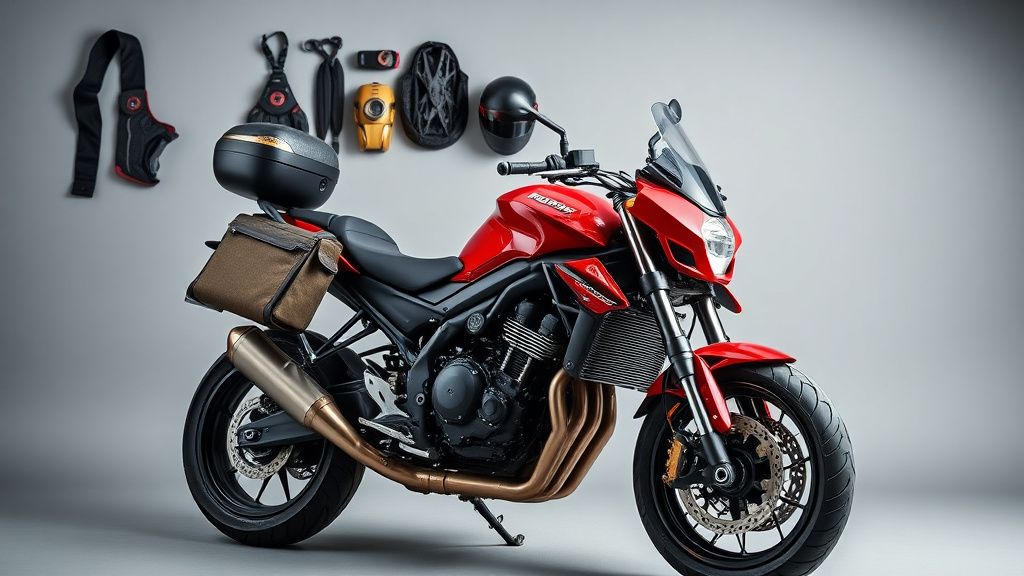
V-Twin Passenger Backrests: Comfort Solutions for Your Co-Pilot
Long rides on a V-twin motorcycle are a thrill, but passenger comfort is often overlooked. A well-designed passenger backrest can transform your co-pilot’s experience, providing support, safety, and confidence on the road. Whether you’re cruising on a Harley-Davidson, Indian, or another V-twin cruiser, the right backrest ensures your passenger stays relaxed—even on extended journeys.
In this guide, we’ll explore the types of passenger backrests available, key features to consider, and how to choose the best option for your bike and riding style.
Why a Passenger Backrest Matters
Passenger backrests aren’t just a luxury—they serve several practical purposes:
- Improved Comfort: Long rides can strain a passenger’s lower back. A backrest provides lumbar support, reducing fatigue.
- Safety & Stability: A backrest helps passengers brace during acceleration, braking, or cornering, minimizing sliding.
- Confidence Boost: Nervous riders feel more secure with a backrest, allowing them to relax and enjoy the ride.
Without proper support, passengers may grip the rider tighter, leading to discomfort for both. A backrest solves this issue while enhancing the overall riding experience.
Types of V-Twin Passenger Backrests
Passenger backrests come in several styles, each suited to different needs and bike setups.
1. Fixed Backrests
These are permanently mounted to the bike’s rear fender or luggage rack. They’re sturdy, often made of steel or aluminum, and provide solid support. Many include padded cushions for comfort.
Best for: Riders who frequently carry passengers and want a durable, no-fuss solution.
2. Flip-Up or Removable Backrests
These backrests attach to a luggage rack or sissy bar and can be folded down or removed when not in use. They offer flexibility—ideal for riders who switch between solo and two-up riding.
Best for: Those who want versatility without sacrificing passenger comfort.
3. Sissy Bar Backrests
A sissy bar (a tall, upright support) often includes an integrated backrest pad. These provide excellent support and can be combined with luggage straps for added utility.
Best for: Riders who prioritize both passenger comfort and cargo-carrying capability.
4. Adjustable Backrests
Some models allow height or angle adjustments, catering to passengers of different sizes. These often feature quick-release mechanisms for easy customization.
Best for: Riders who frequently carry different passengers and need adaptable support.
5. Integrated Touring Backrests
Found on touring-oriented V-twins (like Harley-Davidson Electra Glides), these are part of a larger passenger seating system, often with premium padding and ergonomic shaping.
Best for: Long-distance riders who demand maximum comfort for their co-pilot.
Key Features to Consider
Not all backrests are created equal. Here’s what to evaluate when shopping:
- Material & Build Quality: Look for sturdy frames (steel or aluminum) and high-density foam padding. Leather or marine-grade vinyl upholstery resists weather wear.
- Mounting System: Ensure compatibility with your bike’s setup (luggage rack, sissy bar, or direct fender mounting). Some require additional hardware.
- Padding & Ergonomics: Thick, contoured padding improves comfort. Memory foam options are ideal for long rides.
- Adjustability: If multiple passengers ride with you, an adjustable backrest is a smart choice.
- Aesthetics: Choose a style that matches your bike’s look—chrome, black powder-coated, or color-matched options are common.
What to Look for in a Passenger Backrest
When selecting a backrest, keep these factors in mind:
- Compatibility – Verify that the backrest fits your specific make and model. Some are universal, while others require bike-specific mounting kits.
- Ease of Installation – Bolt-on designs are simplest; others may need professional fitting. Check if tools or adapters are included.
- Passenger Feedback – If possible, let your passenger test different styles to find the most comfortable angle and height.
- Additional Utility – Some backrests include luggage straps or attachment points for bags, adding functionality.
Installation Tips
Most passenger backrests are straightforward to install, but here are a few pointers:
- Follow the Manual: Even if it seems simple, manufacturer instructions ensure proper fitment and safety.
- Check Clearance: Ensure the backrest doesn’t interfere with saddlebags or other accessories.
- Test Stability: Before hitting the road, confirm the backrest is secure and doesn’t wobble under pressure.
Enhancing Passenger Comfort Further
A backrest is just one part of the equation. For maximum co-pilot comfort, consider:
- A High-Quality Passenger Seat: A well-padded, ergonomic seat reduces pressure points.
- Footpeg Position: Adjustable or extended footpegs help passengers maintain a natural riding posture.
- Armrests or Handholds: Some touring setups include additional supports for passengers.
Final Thoughts
A passenger backrest is a small investment with big returns—happier co-pilots and smoother rides. Whether you opt for a fixed, flip-up, or adjustable model, prioritize quality, compatibility, and comfort.
For V-twin riders who frequently share the road, a well-chosen backrest ensures every journey is enjoyable for both rider and passenger. Take the time to explore options, read reviews, and select a backrest that fits your bike and riding needs perfectly.
Now, hit the open road with confidence, knowing your co-pilot is riding in comfort!
Our picks worth a closer look
- — see current price and specs.