
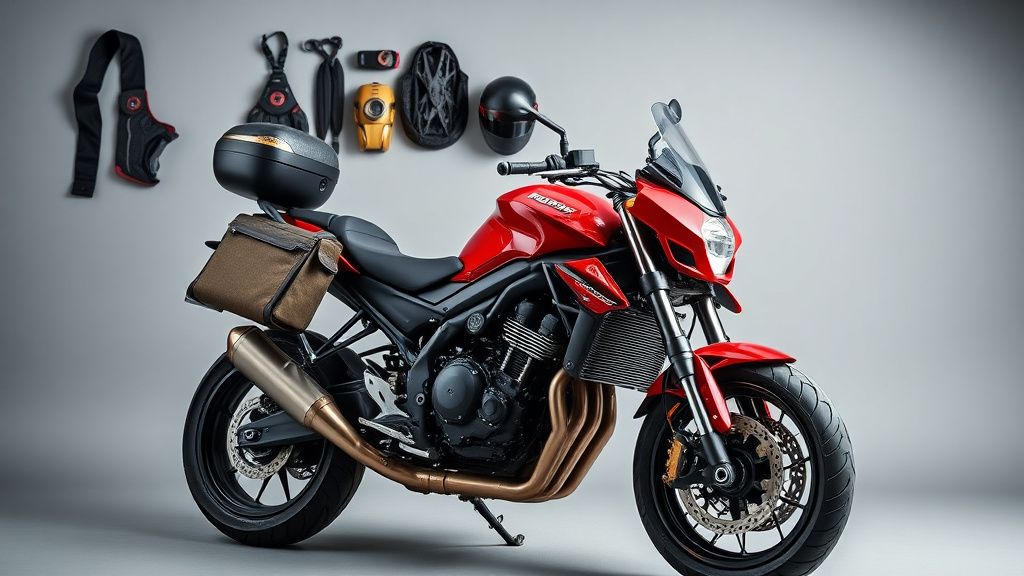
V-Twin Fairings and Wind Deflectors: Reduce Fatigue on the Road
Long rides on a V-twin cruiser or a sportbike can be exhilarating, but wind fatigue can quickly turn a fun trip into an exhausting ordeal. Constant wind pressure forces riders to tense their muscles, leading to discomfort and reduced endurance. Fortunately, fairings and wind deflectors are designed to mitigate this issue by redirecting airflow, reducing turbulence, and improving rider comfort.
How Fairings and Wind Deflectors Reduce Fatigue
Wind resistance is a major contributor to rider fatigue, especially at highway speeds. Without proper wind protection, your body fights against the force of the air, leading to:
- Neck and shoulder strain from holding your head steady against the wind.
- Arm fatigue from gripping the handlebars tighter to maintain control.
- Lower back discomfort caused by constant pressure against your torso.
Fairings and deflectors work by:
- Disrupting turbulent airflow around the rider, creating a smoother pocket of air.
- Reducing direct wind impact on the chest and helmet, allowing for a more relaxed posture.
- Minimizing buffeting (the erratic shaking caused by wind vortices), which can be especially problematic on naked bikes or cruisers with minimal wind protection.
Types of Fairings for V-Twin and Sportbike Riders
Full Fairings
Common on sportbikes and touring cruisers, full fairings provide the most wind protection by enclosing the front of the bike. They are typically made from:
- ABS plastic (durable and lightweight)
- Fiberglass (customizable but heavier)
- Polycarbonate (impact-resistant and clear for headlight integration)
Best for: Long-distance touring riders who want maximum wind deflection.
Quarter Fairings (Dart-style Fairings)
Smaller than full fairings, these attach to the handlebars or forks and provide minimal wind protection for the upper body. They’re popular among V-twin riders who want a classic look with slight wind relief.
Best for: Cruiser riders who prefer a minimalist aesthetic but still want some wind deflection.
Windshields (Fixed or Adjustable)
Not technically fairings, but windshields are a simple solution for reducing wind fatigue. They come in:
- Tinted or clear (for visibility preferences)
- Height-adjustable (to suit different rider heights)
- Quick-release models (for easy removal when not needed)
Best for: Riders who want a balance between wind protection and an open riding feel.
Wind Deflectors: Targeted Airflow Control
Unlike full fairings, wind deflectors are smaller add-ons that fine-tune airflow without drastically altering the bike’s appearance. Common types include:
Handlebars Deflectors
Mounted near the grips, these reduce wind pressure on the hands, preventing numbness on long rides.
Lower Leg Deflectors (Highway Bars with Deflectors)
Often found on cruisers, these attach to crash bars and divert wind away from the legs, reducing chill and fatigue.
Mirror-Mounted Deflectors
Small wings that attach to mirrors, helping to reduce helmet buffeting without adding bulk.
What to Look for in a Fairing or Wind Deflector
When choosing wind protection for your bike, consider:
- Material Durability – ABS plastic is a good balance of weight and strength, while polycarbonate offers better clarity for integrated lights.
- Mounting Compatibility – Ensure the fairing or deflector fits your bike’s make/model without interfering with controls.
- Adjustability – Some windshields and deflectors can be tilted or raised for a customized fit.
- Aerodynamic Design – Look for smooth contours that minimize drag and turbulence.
- Ease of Installation – Bolt-on designs are simpler than custom-fitted options.
Final Thoughts
Investing in the right wind protection can transform your riding experience, especially on long hauls. Whether you opt for a full fairing, a compact deflector, or an adjustable windshield, reducing wind fatigue means more energy for the ride and less strain on your body. Evaluate your riding style, bike setup, and comfort needs to find the best solution for your next adventure.