
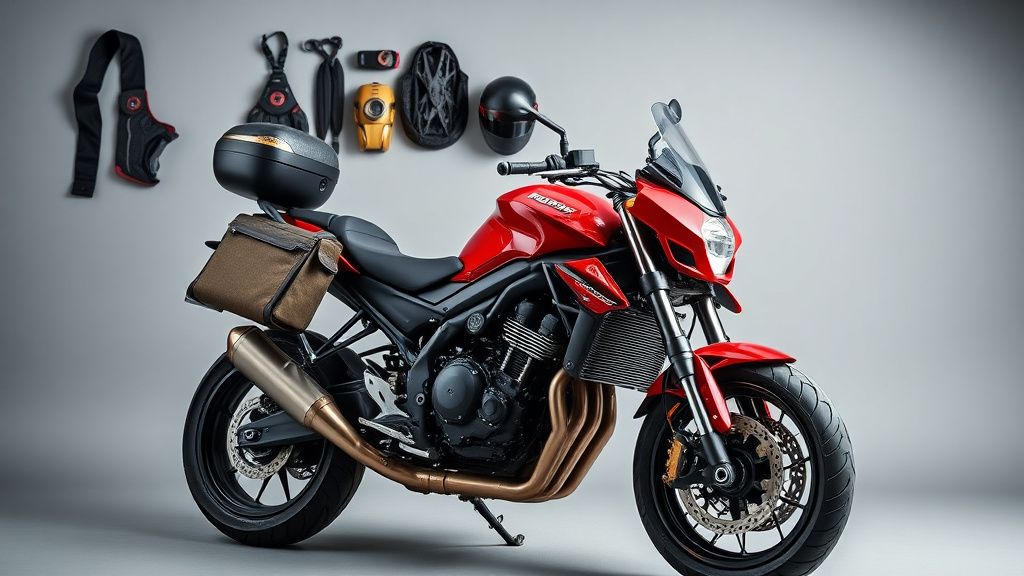
Understanding V-Twin Exhaust Systems
V-twin engines, known for their distinctive rumble and torque-heavy performance, are a hallmark of cruisers, touring bikes, and some sport motorcycles. Upgrading the exhaust system is one of the most popular modifications for V-twin riders, offering both enhanced sound and improved performance. Whether you’re looking for a deeper exhaust note, better horsepower, or reduced weight, choosing the right exhaust system is crucial.
Exhaust systems for V-twin motorcycles come in various designs, materials, and configurations, each tailored to specific needs. Understanding the basics—such as the differences between slip-on mufflers and full systems, or the impact of materials like stainless steel and titanium—can help you make an informed decision.
Types of V-Twin Exhaust Systems
Slip-On Mufflers
Slip-on mufflers are the most straightforward and cost-effective upgrade. They replace the stock muffler while retaining the factory headers and mid-pipe. These are ideal for riders seeking a deeper or more aggressive exhaust note without significant performance changes. Slip-ons are easier to install and often require no additional tuning.
Full Exhaust Systems
A full exhaust system replaces the entire exhaust setup, including headers, mid-pipe, and muffler. This upgrade offers the most significant performance gains, as it reduces backpressure and allows the engine to breathe more efficiently. Full systems are favored by riders looking for maximum horsepower and torque improvements. However, they often require ECU tuning or a fuel management system to optimize performance.
2-Into-1 Systems
2-into-1 exhaust systems combine the two header pipes into a single mid-pipe and muffler. This design is popular for its clean, minimalist look and can improve mid-range torque. It’s a great choice for riders prioritizing performance over the traditional dual-exhaust aesthetic.
Dual Exhaust Systems
Dual exhaust systems maintain the classic V-twin look with two separate pipes and mufflers. They are often heavier than 2-into-1 systems but provide a balanced exhaust note and performance. Dual systems are ideal for riders who want to retain the traditional cruiser or touring bike appearance.
Materials Matter: Choosing the Right Build
Stainless Steel
Stainless steel is the most common material for exhaust systems due to its durability, corrosion resistance, and affordability. It’s heavier than titanium but offers excellent longevity and a polished finish. Stainless steel systems are a great all-around choice for riders seeking reliability and performance.
Titanium
Titanium exhaust systems are lightweight and offer superior heat resistance. They are more expensive but provide noticeable performance benefits, especially in terms of weight reduction. Titanium systems often have a distinctive blueish hue when heated, adding a unique aesthetic to your bike.
Carbon Fiber
Carbon fiber exhaust components, particularly mufflers, are prized for their lightweight properties and modern look. While not as durable as stainless steel or titanium, carbon fiber offers a sleek, high-tech appearance and reduces overall weight. These are ideal for riders focused on aesthetics and performance.
Sound and Performance Considerations
Exhaust Note
The exhaust note is a key factor for many riders. V-twin engines are known for their deep, throaty rumble, and different exhaust systems can enhance this characteristic. Slip-ons typically offer a moderate increase in sound volume and tone, while full systems can deliver a more aggressive and resonant exhaust note. Consider your local noise regulations and personal preferences when choosing a system.
Performance Gains
Upgrading your exhaust system can improve horsepower, torque, and throttle response. Full systems and 2-into-1 designs offer the most significant performance gains, especially when paired with proper tuning. Slip-ons provide minimal performance improvements but are a good option for riders primarily focused on sound.
Weight Reduction
A lighter exhaust system can improve handling and acceleration. Titanium and carbon fiber systems are the best options for weight savings, though they come at a higher cost. Stainless steel systems are heavier but offer a balance of durability and affordability.
What to Look for When Buying a V-Twin Exhaust System
- Compatibility: Ensure the exhaust system is designed for your specific motorcycle model and engine type. Check for fitment details and any required modifications.
- Material: Choose a material that aligns with your priorities—whether it’s durability, weight savings, or aesthetics.
- Sound Level: Consider how loud you want your exhaust to be. Some systems come with removable baffles to adjust sound levels.
- Performance Goals: Determine whether you’re looking for a subtle upgrade or a full performance overhaul. Full systems offer the most significant gains but require tuning.
- Budget: Exhaust systems vary widely in price. Set a budget and prioritize features that matter most to you.
- Installation: Consider whether you’ll install the system yourself or have it done professionally. Some systems are easier to install than others.
- Warranty and Support: Look for systems backed by a manufacturer’s warranty and reliable customer support.
Conclusion
Upgrading your V-twin motorcycle’s exhaust system is a rewarding way to enhance both sound and performance. Whether you opt for a slip-on muffler, a full exhaust system, or a 2-into-1 design, understanding the options and their benefits will help you make the right choice. Consider factors like material, sound level, and performance goals to find the perfect exhaust system for your ride. With the right upgrade, you’ll not only enjoy a more exhilarating ride but also turn heads with the unmistakable roar of your V-twin engine.