
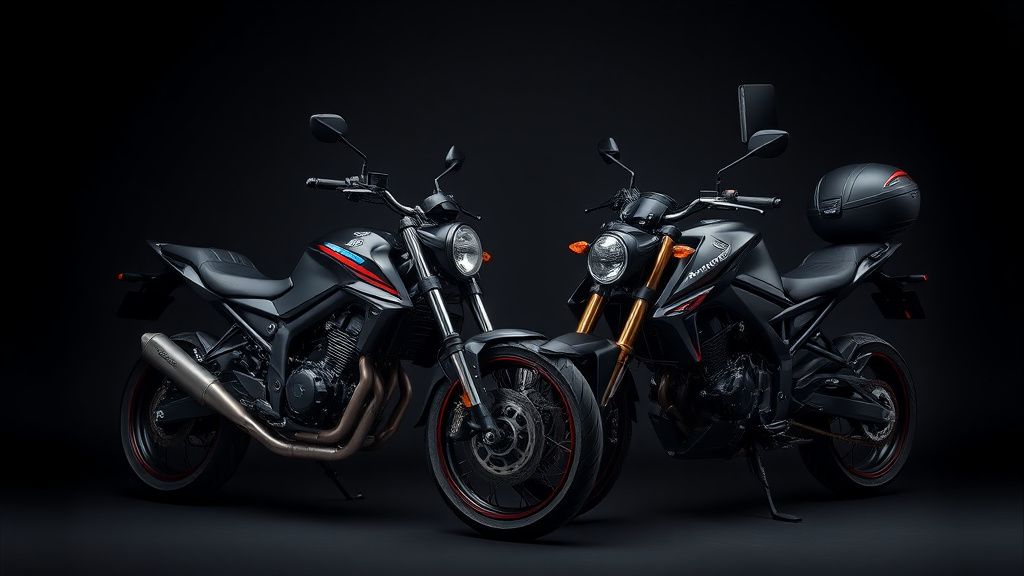
Sportbike Windshields: Choosing the Right Protection and Aerodynamics
A well-chosen windshield can make a significant difference in your riding experience, whether you’re carving corners on a sportbike or cruising on a V-twin. Windshields serve two primary purposes: protection from wind and debris and improving aerodynamics for better stability at speed. Selecting the right one depends on your bike’s design, riding style, and personal comfort preferences.
Types of Sportbike Windshields
Sportbike windshields come in several styles, each offering distinct advantages based on material, height, and curvature.
1. Stock (OEM) Windshields
Most sportbikes come with a factory-installed windshield designed for general use. These are typically shorter and more streamlined, prioritizing aesthetics and minimal wind resistance over full wind protection. While they look sleek, they may not be ideal for long-distance riders who need better wind deflection.
2. Touring Windshields
Taller and wider than stock options, touring windshields are designed for long-distance comfort. They often feature a slight recurve at the top to direct airflow over the rider’s helmet, reducing fatigue. These are popular among sport-touring riders who want a balance between sporty handling and highway comfort.
3. Double-Bubble Windshields
A favorite among sport riders, double-bubble windshields have a raised center section that improves aerodynamics while maintaining a sporty look. The design reduces wind pressure on the chest and lifts turbulence over the helmet, making them ideal for aggressive riding positions. They’re often made from acrylic or polycarbonate for durability.
4. Vented Windshields
Some performance-oriented windshields include small vents or channels to reduce buffeting at high speeds. These are useful for riders who experience helmet shake or excessive wind noise but still want a sporty profile.
5. Flip-Up (Spoiler) Windshields
These feature an angled lip at the top to push air further upward, improving wind protection without adding excessive height. They’re a good middle ground for riders who want better airflow management without switching to a full touring shield.
Materials Matter: Acrylic vs. Polycarbonate
Windshields are typically made from acrylic or polycarbonate, each with pros and cons:
- Acrylic (PMMA): More affordable and scratch-resistant but can crack under impact. Best for riders who prioritize clarity and cost-effectiveness.
- Polycarbonate (Lexan): Nearly unbreakable and lighter, but prone to scratching unless coated. Ideal for high-speed riding where durability is key.
Some premium windshields use layered construction (e.g., polycarbonate with a hard coat) to combine scratch resistance with impact strength.
Aerodynamics and Wind Protection
A windshield’s shape and height directly affect how wind flows around you:
- Shorter windshields (stock or race-style) reduce drag but leave the rider more exposed to windblast.
- Taller windshields (touring or double-bubble) create a larger pocket of still air, reducing fatigue on long rides.
- Curvature and angle influence how smoothly air is redirected. A well-designed recurve can eliminate turbulent spots behind the shield.
For sportbikes, a double-bubble or vented design often provides the best compromise between aerodynamics and wind protection.
What to Look for in a Sportbike Windshield
When shopping for a new windshield, consider these key factors:
-
Riding Style:
- Track/aggressive street riding: Go for a low-profile or double-bubble shield.
- Sport-touring/long-distance: A taller touring or flip-up design is better.
-
Material Durability:
- Choose polycarbonate if you prioritize impact resistance.
- Opt for acrylic if you want better scratch resistance and clarity.
-
Mounting Compatibility:
- Ensure the shield fits your bike’s fairing and mounting points (some require minor modifications).
-
Optical Quality:
- Look for optically clear or minimally distorted materials, especially if you rely on the shield for visibility.
-
Wind Tunnel Testing (if available):
- Some manufacturers design shields based on aerodynamic testing—worth considering for high-speed stability.
Installation and Maintenance Tips
- Installation: Most aftermarket windshields bolt directly onto OEM mounts. Use thread-locking compound on screws to prevent vibration loosening.
- Cleaning: Avoid abrasive cleaners—use microfiber cloths and mild soap to prevent scratches.
- Storage: If removing the shield, store it flat and away from direct sunlight to prevent warping.
Final Thoughts
The right windshield balances protection, aerodynamics, and aesthetics. Whether you’re a weekend canyon-carver or a cross-country tourer, investing in a well-designed shield can drastically improve comfort and control. Assess your needs, compare materials, and choose a design that complements your riding style—your neck and shoulders will thank you.