Sportbike Tire Buying Guide: Maximize Grip and Longevity
Choosing the right tires for your sportbike is critical for performance, safety, and longevity. Whether you’re carving canyons, hitting the track, or commuting daily, the right tire can transform your ride. This guide breaks down the key factors to consider when selecting sportbike tires, including compound, construction, tread patterns, and maintenance tips.
Understanding Sportbike Tire Types
Sportbike tires fall into three main categories, each designed for specific riding conditions:
1. Street/Sport Tires
These are the most common tires for everyday riding and spirited canyon runs. They offer a balance of grip, durability, and wet-weather performance.
-
Features:
- Dual-compound construction (softer edges for cornering grip, harder center for longevity).
- Directional or asymmetrical tread patterns for water evacuation.
- Designed for warm-up in street conditions.
-
Best For: Riders who want a mix of performance and mileage for aggressive street use.
2. Track/Sport Tires
Optimized for high-speed cornering and maximum grip, these tires are ideal for track days and aggressive riding.
-
Features:
- Softer rubber compounds for superior traction.
- Minimal tread grooves for increased contact patch.
- Often single-compound for consistent grip at high temps.
-
Best For: Riders who frequent the track or push hard on twisty roads.
3. Hypersport/Track-Focused Street Tires
A hybrid between street and track tires, these offer near-track-level grip while still being DOT-approved for road use.
-
Features:
- Multi-compound designs with ultra-sticky shoulder sections.
- Stiffer sidewalls for better feedback at lean angles.
- Faster warm-up times than pure street tires.
-
Best For: Performance-oriented street riders who demand maximum grip without sacrificing legality.
Key Tire Features to Consider
1. Rubber Compound
The tire’s compound determines grip and longevity:
- Soft compounds provide exceptional grip but wear faster.
- Hard compounds last longer but may sacrifice traction.
- Multi-compound tires blend both, with softer edges for cornering and a harder center for straight-line durability.
2. Tread Pattern
- Directional treads channel water efficiently for wet-weather riding.
- Asymmetrical treads optimize dry grip on one side and wet performance on the other.
- Slick or semi-slick tires (minimal tread) maximize dry grip but are poor in rain.
3. Construction & Carcass
- Radial tires (common on modern sportbikes) offer better heat dissipation and flex for grip.
- Bias-ply tires (older tech) are stiffer but less responsive at extreme lean angles.
4. Tire Pressure & Load Rating
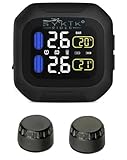
Always follow manufacturer-recommended pressures. Underinflation increases wear and overheating, while overinflation reduces grip. Check load ratings to ensure the tire can handle your bike’s weight and riding style.
What to Look for When Buying Sportbike Tires
- Riding Style & Conditions – Are you mostly street riding, commuting, or track-focused?
- Wet vs. Dry Performance – If you ride in rain often, prioritize tires with deep tread grooves.
- Warm-Up Time – Track-focused tires need heat to grip, while street tires work well cold.
- Durability vs. Grip Trade-Off – Softer tires grip better but wear faster.
- Size Compatibility – Match the exact tire size recommended in your bike’s manual.
Maximizing Tire Longevity
Even high-performance tires can last longer with proper care:
- Check Pressure Weekly – Underinflated tires wear unevenly and overheat.
- Avoid Burnouts & Hard Braking – Aggressive riding accelerates wear.
- Rotate Tires (If Applicable) – Some sportbikes allow front/rear swaps to even out wear.
- Store Properly – Keep tires away from direct sunlight and ozone sources when not in use.
Final Recommendations
- For Street Riders: Choose dual-compound sport tires with good wet grip.
- For Track Enthusiasts: Opt for hypersport or dedicated track tires.
- For Balanced Performance: Hypersport street tires offer the best compromise.
By selecting the right tire for your riding style and maintaining it properly, you’ll maximize both grip and longevity—keeping you safer and faster on the road or track.
Our picks worth a closer look
- — see current price and specs.
- — see current price and specs.
- — see current price and specs.
- — see current price and specs.
- — see current price and specs.