
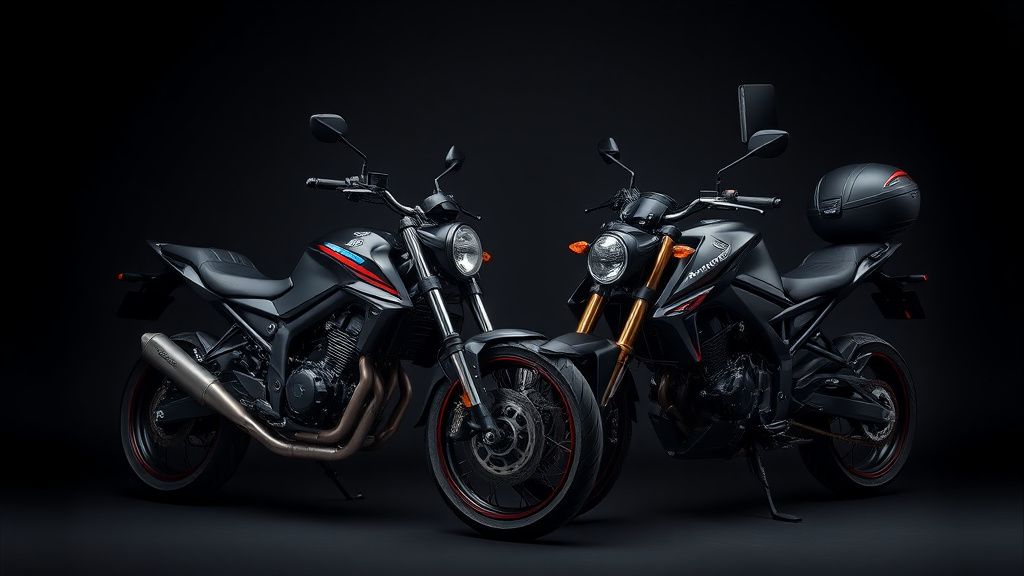
Understanding Sportbike Fuel Management Systems
Fuel management systems are critical components in modern sportbikes, designed to optimize engine performance and fuel efficiency. These systems regulate the air-fuel mixture entering the engine, ensuring it operates at peak efficiency under various conditions. For V-twin and sportbike enthusiasts, upgrading or fine-tuning the fuel management system can unlock significant performance gains, improve throttle response, and enhance overall rideability.
Sportbike fuel management systems come in various types, including factory-installed Electronic Fuel Injection (EFI) systems and aftermarket options like fuel controllers and tuners. EFI systems are standard in most modern sportbikes, using sensors to monitor engine conditions and adjust fuel delivery accordingly. However, aftermarket systems allow riders to customize fuel maps, making them ideal for those who have modified their bikes with performance exhausts, air intakes, or other upgrades.
Types of Fuel Management Systems
1. Electronic Fuel Injection (EFI)
EFI systems are the backbone of modern sportbike fuel management. They use sensors to measure variables such as throttle position, engine speed, air temperature, and oxygen levels in the exhaust. This data is processed by the Engine Control Unit (ECU), which adjusts the fuel injector timing and duration to deliver the optimal air-fuel mixture. EFI systems are highly efficient and reliable, but they are often calibrated for stock configurations, limiting their flexibility for modified bikes.
2. Fuel Controllers
Fuel controllers are aftermarket devices that modify the signals sent to the ECU, allowing riders to adjust the air-fuel mixture manually. These are particularly useful for bikes with aftermarket exhausts or air filters, as they can compensate for the increased airflow and prevent lean or rich conditions. Popular fuel controllers include options like the Dynojet Power Commander, which offers preloaded fuel maps and customizable settings via a smartphone app or computer interface.
3. ECU Flashing and Reprogramming
ECU flashing involves reprogramming the bike’s stock ECU with custom fuel maps tailored to specific modifications or riding conditions. This method provides precise control over fuel delivery and ignition timing, often resulting in smoother power delivery and improved throttle response. Many tuning shops offer ECU flashing services, and some riders opt for DIY flashing tools like the Woolich Racing Tuner.
4. Standalone Engine Management Systems
For heavily modified sportbikes or those used in racing, standalone engine management systems offer the highest level of customization. These systems replace the stock ECU entirely, providing complete control over fuel injection, ignition timing, and other engine parameters. While they require more expertise to set up, standalone systems are ideal for achieving maximum performance.
Benefits of Upgrading Your Fuel Management System
Improved Performance
A well-tuned fuel management system ensures your engine receives the correct air-fuel mixture, resulting in smoother power delivery, increased horsepower, and better throttle response. This is especially important for modified bikes, where stock systems may struggle to adapt to changes in airflow or exhaust flow.
Enhanced Fuel Efficiency
Optimizing the air-fuel ratio can also improve fuel efficiency, reducing the frequency of refueling stops on long rides. This is particularly beneficial for sportbike riders who enjoy touring or commuting on their bikes.
Reduced Emissions
Proper fuel management minimizes harmful emissions by ensuring complete combustion of the fuel. This not only benefits the environment but also helps your bike pass emissions tests in regions with strict regulations.
Customizability
Aftermarket fuel management systems allow riders to tailor their bike’s performance to their specific needs. Whether you’re looking for aggressive throttle response on the track or smoother power delivery on the street, these systems provide the flexibility to achieve your goals.
What to Look for in a Fuel Management System
When choosing a fuel management system for your sportbike, consider the following factors:
- Compatibility: Ensure the system is compatible with your bike’s make, model, and year. Some systems are designed specifically for V-twin engines, while others cater to inline-four sportbikes.
- Ease of Use: Look for systems with user-friendly interfaces, such as smartphone apps or plug-and-play installations, if you’re not comfortable with advanced tuning.
- Customization Options: If you have modified your bike, opt for a system that offers customizable fuel maps or ECU flashing capabilities.
- Support and Resources: Choose a system backed by a reputable manufacturer or tuning shop that provides technical support, preloaded maps, and software updates.
- Budget: Prices vary widely depending on the type of system and its features. Determine your budget and prioritize the features that matter most to you.
Conclusion
Upgrading your sportbike’s fuel management system is a smart investment for riders looking to optimize performance and efficiency. Whether you’re running a stock bike or a heavily modified machine, there’s a fuel management solution to suit your needs. By understanding the different types of systems and their benefits, you can make an informed decision that enhances your riding experience and unlocks your bike’s full potential.