
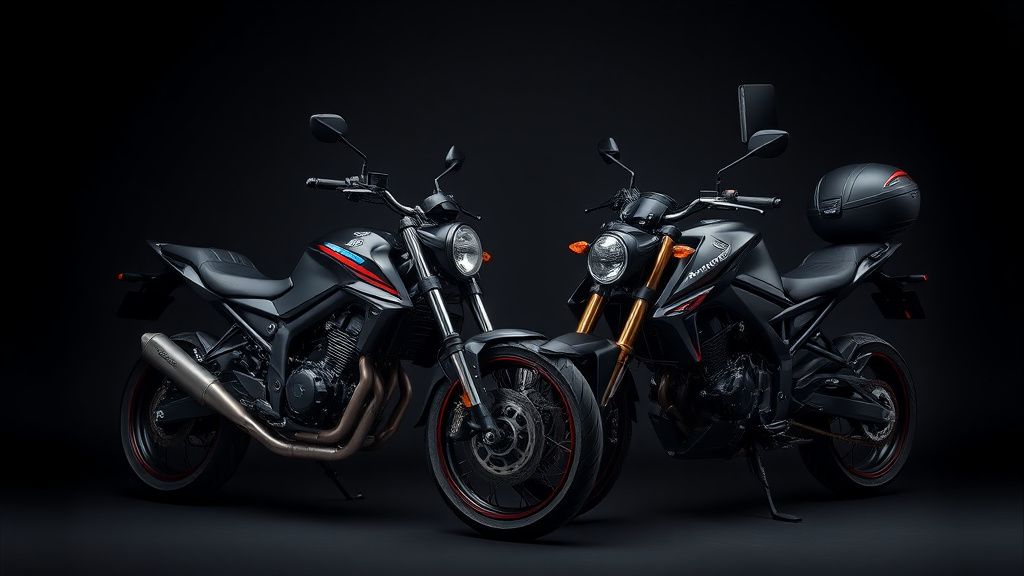
How to Winterize Your Motorcycle: A Complete Storage Guide
Winterizing your motorcycle is essential to protect it from cold temperatures, moisture, and prolonged inactivity. Whether you ride a V-twin cruiser or a high-performance sportbike, proper storage ensures your bike stays in top condition for the next riding season. Follow this step-by-step guide to winterize your motorcycle effectively.
1. Clean Your Motorcycle Thoroughly
Before storing your bike, give it a deep clean to remove dirt, grime, and road salt, which can corrode metal and damage paint over time.
- Wash the body and wheels using a pH-balanced motorcycle cleaner to avoid stripping wax or damaging finishes.
- Degrease the chain (if applicable) and apply a high-quality chain lubricant to prevent rust.
- Dry thoroughly with microfiber towels to prevent water spots and trapped moisture.
2. Change the Oil and Filter
Old oil contains contaminants that can degrade engine components during storage.
- Use a synthetic oil with the correct viscosity for your bike (check the owner’s manual).
- Replace the oil filter to ensure no sludge remains in the system.
- Run the engine briefly after the oil change to circulate fresh oil before storage.
3. Stabilize the Fuel System
Gasoline can break down and clog fuel injectors or carburetors if left untreated.
- Fill the tank completely to minimize air space and reduce condensation.
- Add fuel stabilizer (ethanol-free if possible) and run the engine for a few minutes to distribute it.
- For carbureted bikes, consider draining the float bowls to prevent varnish buildup.
4. Protect the Battery
A dead battery is one of the most common winter storage issues.
- Disconnect the battery to prevent parasitic drain.
- Use a smart battery tender (not a trickle charger) to maintain voltage without overcharging.
- Store in a cool, dry place if removing it from the bike.
5. Inflate and Elevate the Tires
Flat spots and dry rot can occur if tires sit under load for months.
- Inflate to maximum recommended pressure (check sidewall or manual).
- Use a motorcycle stand (paddock stand for sportbikes, lift for cruisers) to take weight off the tires.
- If storing on the ground, rotate the tires occasionally to prevent flat spots.
6. Lubricate Critical Components
Moisture and inactivity can cause metal parts to seize or corrode.
- Apply anti-corrosion spray to exposed bolts, cables, and pivot points.
- Grease the clutch and throttle cables to prevent stiffness.
- Protect chrome and polished metal with a light coat of wax or specialized metal protector.
7. Cover or Store Indoors
Even in a garage, dust and humidity can damage your bike.
- Use a breathable motorcycle cover (avoid plastic tarps that trap moisture).
- If storing outside, opt for a waterproof, UV-resistant cover with vents.
- Consider a climate-controlled storage unit for long-term protection.
8. Additional Steps for Long-Term Storage
For storage beyond a few months, extra precautions are necessary.
- Fog the engine cylinders (for carbureted bikes) to prevent internal rust.
- Remove spark plugs, add a small amount of oil, and crank the engine manually.
- Drain coolant (if freezing temps are expected) and replace with fresh fluid in spring.
What to Look for in Winterizing Products
When selecting storage products, prioritize quality and compatibility with your bike.
- Fuel stabilizer – Look for ethanol treatment and long-term stability (6+ months).
- Battery tender – Smart chargers with auto-shutoff prevent overcharging.
- Motorcycle stands – Ensure weight capacity matches your bike (e.g., heavy cruisers need robust lifts).
- Breathable covers – Water-resistant yet ventilated to prevent condensation buildup.
By following these steps, your motorcycle will be ready to ride when warmer weather returns. Proper winterization saves money on repairs and extends the life of your bike—whether it’s a thundering V-twin or a sleek sportbike. Stay proactive, and your machine will thank you come spring.
Our picks worth a closer look
- — see current price and specs.
- — see current price and specs.
- — see current price and specs.
- — see current price and specs.
- — see current price and specs.