
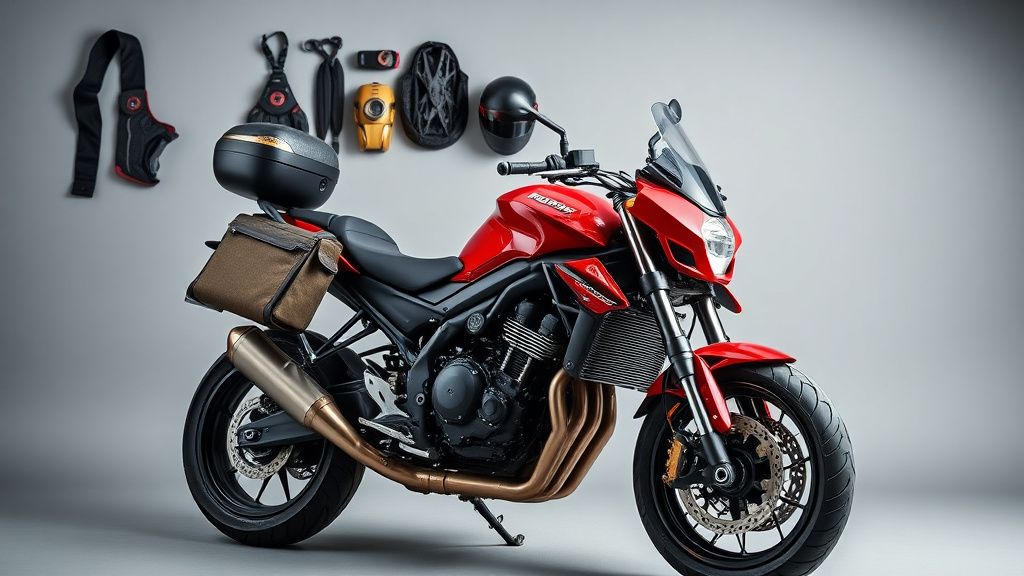
How to Choose the Right Motorcycle Jacket Armor for Maximum Protection
Riding a motorcycle—whether a powerful V-twin cruiser or a high-performance sportbike—demands the right gear for safety. Among the most critical pieces is your jacket armor, which can mean the difference between walking away from a crash and serious injury. But with so many options available, how do you choose the best armor for your needs? This guide breaks down the key factors to consider, from materials and certifications to fit and placement.
Understanding Motorcycle Jacket Armor
Motorcycle armor is designed to absorb and disperse impact energy during a crash, protecting your joints, spine, and vital areas. Most jackets come with built-in pockets for armor, allowing you to upgrade or replace inserts as needed. The main types of armor include:
1. Foam Padding (Basic Protection)
- EVA Foam: Lightweight and flexible, often found in entry-level jackets. Provides minimal impact absorption.
- PE Foam: Slightly denser than EVA, offering better protection but still limited compared to advanced materials.
2. CE-Certified Armor (Standard Protection)
- CE Level 1: Meets basic impact absorption standards (EN 1621-1). Common in mid-range jackets.
- CE Level 2: Offers higher impact resistance, reducing force transmission by up to 50% compared to Level 1.
3. Advanced Armor Materials (Premium Protection)
- D3O®: A popular flexible material that hardens on impact, offering excellent protection without bulk.
- Poron XRD®: Lightweight and breathable, ideal for riders who prioritize comfort without sacrificing safety.
- Composite Armor: Combines hard plastic shells with soft padding for multi-layer defense.
4. Back Protectors (Additional Safety)
- Standard Back Padding: Often thin foam; consider upgrading to CE-rated armor.
- Full Spine Protectors: Extended coverage from neck to tailbone, crucial for sportbike riders.
Key Armor Placement Zones
A well-protected jacket should have armor in these critical areas:
- Shoulders & Elbows: High-impact zones in most crashes. Look for CE-rated inserts that stay in place.
- Back: A rigid or flexible CE Level 2 protector is ideal. Some jackets offer a hump for aerodynamic sportbike riders.
- Chest (Optional): Available in some premium jackets, especially for track use.
What to Look for in Motorcycle Jacket Armor
When shopping for armor, prioritize these features:
- Certification: Ensure armor meets at least CE Level 1 (EN 1621-1). Level 2 is preferable for aggressive riding.
- Fit & Mobility: Armor should contour to your body without restricting movement. Test flexibility when trying on jackets.
- Breathability: Mesh or perforated armor helps with airflow, crucial for sportbike riders in hot climates.
- Replaceability: Check if the armor can be upgraded or swapped out as technology improves.
- Coverage: Full-coverage armor (extended shoulder/elbow pads) provides better protection than minimal designs.
Choosing Armor for Your Riding Style
V-Twin & Cruiser Riders
- Priorities: Comfort, low-profile protection, and all-day wearability.
- Best Armor: Flexible CE Level 1 or 2 armor (D3O® or Poron XRD®) that doesn’t add bulk under a leather or textile jacket.
- Considerations: Look for jackets with ventilation if riding in warm weather.
Sportbike & Track Riders
- Priorities: Maximum impact protection, aerodynamics, and abrasion resistance.
- Best Armor: CE Level 2 composite armor with a full spine protector. Hard-shell elbow/shoulder armor is common in race suits.
- Considerations: Ensure armor stays secure at high speeds; some jackets have stretch panels for a snug fit.
Maintaining and Upgrading Your Armor
- Inspect Regularly: Check for cracks, deformation, or wear in foam and hard armor. Replace damaged pieces immediately.
- Wash Carefully: Remove armor before cleaning your jacket to prevent degradation.
- Stay Updated: New armor technologies emerge frequently; consider upgrading every few years for improved safety.
Final Thoughts
Your motorcycle jacket armor is your first line of defense in a crash. Investing in high-quality, well-fitted protection tailored to your riding style can significantly reduce injury risk. Whether you’re cruising on a V-twin or pushing limits on a sportbike, prioritize CE-certified armor that balances safety, comfort, and performance.
Ride safe, and always gear up for the road ahead.
Our picks worth a closer look
- — see current price and specs.
- — see current price and specs.
- — see current price and specs.
- — see current price and specs.
- — see current price and specs.