
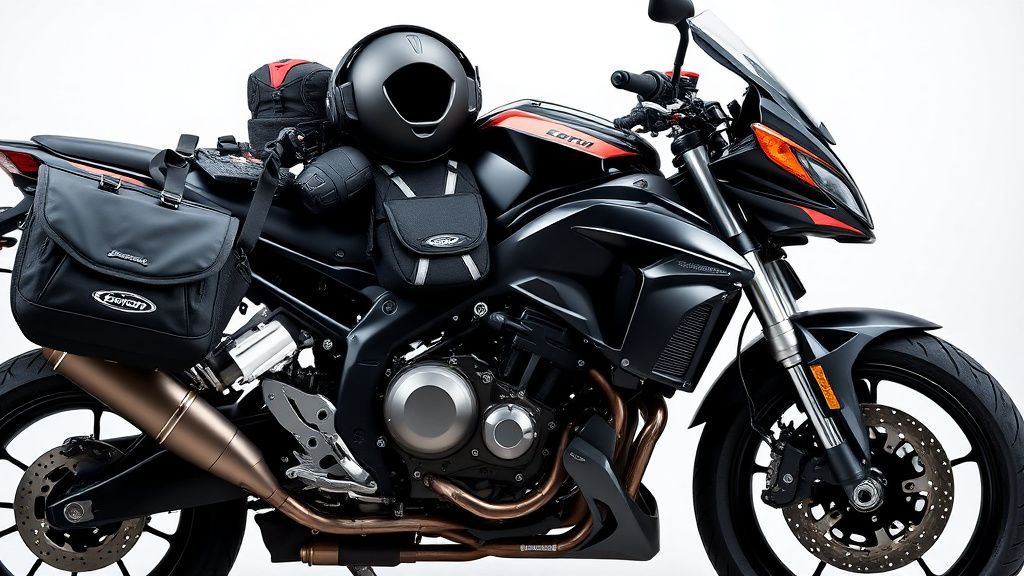
How to Adjust Your Motorcycle Suspension for Your Riding Style
A well-tuned suspension is critical for handling, comfort, and safety on any motorcycle, whether you ride a V-twin cruiser or a high-performance sportbike. Different riding styles—commuting, touring, aggressive cornering, or off-road—require different suspension setups. This guide will help you adjust your suspension to match your riding style while considering key components like preload, compression, and rebound damping.
Understanding Basic Suspension Components
Before making adjustments, familiarize yourself with the main suspension elements:
- Preload – Adjusts spring tension to support rider weight and load.
- Compression Damping – Controls how fast the suspension compresses over bumps.
- Rebound Damping – Regulates how quickly the suspension extends after compression.
Most modern motorcycles allow adjustments for these settings, though entry-level bikes may only have preload adjustability.
Adjusting Suspension for Different Riding Styles
1. Commuting & Casual Riding
For daily street use, prioritize comfort and stability over aggressive handling.
- Preload: Set to match your weight (check your manual for recommended settings).
- Compression Damping: Soften slightly to absorb road imperfections.
- Rebound Damping: Moderate to prevent excessive bouncing.
What to look for: If your bike bottoms out over bumps, increase preload slightly. If the ride feels too stiff, reduce compression damping.
2. Sport Riding & Aggressive Cornering
Sportbike riders need precise control for fast cornering and braking.
- Preload: Firmer to prevent excessive squat under acceleration.
- Compression Damping: Increased for better support during hard braking.
- Rebound Damping: Faster rebound keeps the tire planted mid-corner.
What to look for: If the front dives too much under braking, stiffen compression. If the rear feels unstable exiting corners, adjust rebound damping.
3. Long-Distance Touring
Heavy loads and long hours demand a balance of comfort and stability.
- Preload: Increase to account for luggage and passenger weight.
- Compression Damping: Medium-firm to handle varied road conditions.
- Rebound Damping: Slightly slower to reduce wallowing on highways.
What to look for: If the bike sags excessively with luggage, add preload. If it feels bouncy at speed, tweak rebound damping.
4. Off-Road & Adventure Riding
Dual-sport and adventure bikes need plush suspension for rough terrain.
- Preload: Softer to allow maximum wheel travel.
- Compression Damping: Reduced to absorb big hits.
- Rebound Damping: Slower to prevent kicking on rebound.
What to look for: If the suspension packs down on repeated bumps, soften compression. If the bike kicks up too harshly, slow rebound.
Step-by-Step Suspension Adjustment Guide
1. Setting Sag (Preload Adjustment)
Sag determines how much the suspension compresses under the rider’s weight.
- Measure Static Sag: Lift the bike until the rear wheel is off the ground, then lower it and measure the suspension’s natural drop.
- Measure Rider Sag: Sit on the bike in riding gear and have someone measure the suspension compression.
- Adjust Preload: Aim for 25-35mm sag for street riding and 30-40mm for off-road.
2. Dialing in Compression Damping
Start with factory settings, then test ride over bumps.
- Too harsh? Reduce compression damping.
- Too soft? Increase in small increments.
3. Fine-Tuning Rebound Damping
Rebound affects how quickly the suspension returns after compression.
- Fast rebound: Good for sport riding but can feel unstable.
- Slow rebound: Smoother but may pack down on rough roads.
Test by pushing down on the suspension—it should return smoothly without bouncing.
What to Look for in Aftermarket Suspension Upgrades
If your stock suspension isn’t cutting it, consider these upgrades:
- Adjustable Shocks & Forks – Essential for fine-tuning performance.
- Progressive Rate Springs – Better for varying loads (ideal for touring).
- Cartridge Emulators – Improves damping control in older forks.
- Heavier Fork Oil – Can stiffen damping without costly upgrades.
Key Considerations:
- Match upgrades to your riding style (e.g., sportbikes benefit from high-end adjustable shocks).
- Ensure compatibility with your bike’s weight and geometry.
Final Tips for Optimal Suspension Setup
- Keep notes of adjustments to track what works best.
- Test one change at a time to isolate effects.
- Consult a professional if you’re unsure—many shops offer suspension tuning services.
By tailoring your suspension to your riding style, you’ll improve control, comfort, and confidence on every ride. Whether you’re carving canyons on a sportbike or cruising cross-country on a V-twin, the right setup makes all the difference.
Our picks worth a closer look
- — see current price and specs.
- — see current price and specs.
- — see current price and specs.
- — see current price and specs.
- — see current price and specs.