
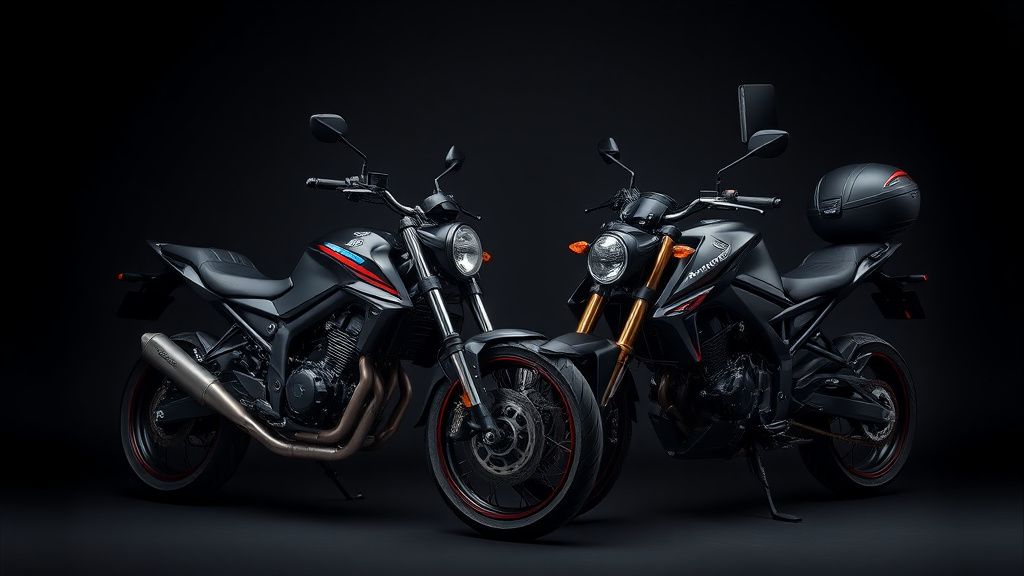
Best Motorcycle Dash Cams: Recording Your Rides for Safety
Riding a motorcycle is an exhilarating experience, but it also comes with risks. Whether you’re cruising on a V-twin or pushing the limits on a sportbike, having a reliable dash cam can be a game-changer for safety and peace of mind. A motorcycle dash cam not only records scenic rides but also provides crucial evidence in case of accidents or disputes.
In this guide, we’ll break down the best motorcycle dash cam options, their key features, and what to look for when choosing one for your bike.
Why You Need a Motorcycle Dash Cam
Motorcycle dash cams serve several important purposes:
- Evidence in Accidents: Footage can protect you from false claims and help with insurance disputes.
- Ride Documentation: Capture scenic routes, track days, or long-distance tours.
- Security: Some models include parking mode to deter theft or vandalism.
- Safety Analysis: Review footage to improve riding habits and identify hazards.
Types of Motorcycle Dash Cams
1. Single-Lens Dash Cams
These are compact, front-facing cameras ideal for riders who want basic recording. They’re easy to install and often more affordable.
Best for: Sportbike riders who want a minimalist setup or V-twin riders looking for simplicity.
2. Dual-Lens (Front & Rear) Dash Cams
Dual-lens systems provide comprehensive coverage, recording both the road ahead and behind. Some models feature a rear-facing camera mounted on the tail or helmet.
Best for: Touring riders, commuters, or anyone who wants full situational awareness.
3. Helmet-Mounted Action Cameras (Dash Cam Mode)
Some action cameras, like the GoPro or Insta360, can function as dash cams with loop recording. They offer high-quality video but may lack automatic start/stop features.
Best for: Riders who also want to capture POV footage for vlogging or track days.
4. Waterproof & Vibration-Resistant Models
Motorcycles face harsh conditions, so a dash cam must be waterproof (IP67 or higher) and built to handle vibrations.
Best for: All riders, especially those in rainy climates or rough terrains.
Top Motorcycle Dash Cam Features to Consider
When shopping for a dash cam, prioritize these features:
- Video Quality (1080p or 4K): Higher resolution captures clearer details like license plates.
- Loop Recording: Automatically overwrites old footage when storage is full.
- G-Sensor & Incident Lock: Saves footage automatically during collisions.
- GPS & Speed Logging: Useful for tracking routes and verifying speed in disputes.
- Wi-Fi/Bluetooth Connectivity: Allows easy footage transfer to a smartphone.
- Battery vs. Hardwired: Hardwired cams draw power from the bike, while battery-powered ones offer flexibility but need recharging.
Best Motorcycle Dash Cams on the Market
1. INNOVV K3 Dual-Channel System
- Type: Dual-lens (front & rear)
- Resolution: 1080p front, 1080p rear
- Features: Waterproof, vibration-resistant, GPS logging, loop recording
- Best for: Touring riders who want reliable, all-weather coverage.
2. Blueskysea DV688
- Type: Single-lens (front)
- Resolution: 4K Ultra HD
- Features: Supercapacitor (no battery issues in heat/cold), loop recording, G-sensor
- Best for: Sportbike riders who prioritize high-resolution footage.
3. VIOFO MT1 Motorcycle Dash Cam
- Type: Single-lens (front)
- Resolution: 1080p
- Features: IP67 waterproof, built-in Wi-Fi, compact design
- Best for: V-twin riders who want a discreet, easy-to-install option.
4. GoPro HERO12 (Dash Cam Mode)
- Type: Action camera with dash cam functionality
- Resolution: 5.3K
- Features: HyperSmooth stabilization, voice control, waterproof
- Best for: Riders who also want to film high-quality POV footage.
What to Look for in a Motorcycle Dash Cam
Before buying, ask yourself:
- Do I need front-only or dual-lens coverage?
- Single-lens is simpler; dual-lens offers better protection.
- How important is video quality?
- 1080p is sufficient for most riders; 4K is better for detail.
- Will it survive my riding conditions?
- Look for waterproofing (IP67+) and vibration resistance.
- How will it be powered?
- Hardwired cams are more reliable for daily use.
- Do I want extra features like GPS or Wi-Fi?
- Useful for tracking rides or quickly accessing footage.
Installation Tips
- Mounting Location: Place the camera where it won’t obstruct your view or be easily tampered with.
- Wiring: For hardwired cams, use a fuse tap or professional installation to avoid battery drain.
- Storage: Use a high-endurance microSD card (64GB–256GB) for reliable loop recording.
Final Thoughts
A motorcycle dash cam is a small investment that can save you from big headaches. Whether you ride a V-twin cruiser or a high-performance sportbike, there’s a dash cam suited to your needs. Prioritize durability, video quality, and ease of use, and you’ll have a reliable witness for every ride.
Stay safe, and happy riding!
Our picks worth a closer look
- — see current price and specs.
- — see current price and specs.
- — see current price and specs.
- — see current price and specs.
- — see current price and specs.