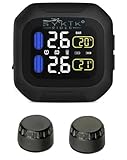
Riding a cruiser long distance means keeping a sharp eye on tire health, and one of the most essential tools you can add to your rig is a reliable tire pressure monitor. The best tire pressure monitors for cruiser riders deliver real-time data, helping prevent flats, extend tire life, and improve safety on every mile you cover.
Key takeaways
- Tire pressure monitoring systems (TPMS) designed for motorcycles offer real-time tire condition alerts tailored for the unique demands of cruiser bikes.
- Popular systems feature external sensors that are easy to install, while internal sensors provide enhanced accuracy but require more effort during installation.
- The ability to customize pressure and temperature alerts helps riders stay ahead of tire issues before they become dangerous or costly.
- Battery life, sensor durability, and display readability are important criteria to balance for long-distance cruisers.
- Many cruiser-specific TPMS units are weather-resistant and shockproof, designed to handle the road vibrations and conditions you ride through.
Why Every Cruiser Rider Needs a Tire Pressure Monitor
When you’re rolling down the highway on your Harley or American V-twin cruiser, tire condition is something you should never take for granted. Proper tire pressure affects everything from fuel economy to handling, braking, and overall ride safety. Low or uneven pressure can cause handling instability or sudden tire failure—especially risky on heavy cruisers like the Road King or Softail.
I’ve seen plenty of riders underestimate this until it’s too late. Over the years of touring and wrenching in my garage, I’ve learned firsthand how a good TPMS can keep you safer and save you money. Rather than stopping every ride to eyeball tires or use bulky gauges, a TPMS provides continuous monitoring so you can ride with confidence — and focus on the road ahead.
What to Look for in a Cruiser Tire Pressure Monitor
Not all tire pressure monitoring systems are created equal when it comes to cruiser motorcycles. Here are the features I dial in before choosing gear for my bike or recommending systems to fellow riders:
- Sensor Type: External sensors clamp onto the valve stem and are easy to install but can be knocked or stolen more easily. Internal sensors install inside the tire, giving better accuracy and security but require removing the tire.
- Display Type: Choose between dedicated handheld displays or unit displays that mount on your handlebars or dash. A high-contrast, backlit screen offers the best visibility both day and night.
- Alert Customization: Adjustable pressure and temperature thresholds allow you to set alerts specific to your bike’s tires and riding conditions.
- Battery Life: Long battery life means less frequent replacements, often ranging from several months to a year, depending on the system.
- Durability: Look for shock-resistant, waterproof, and dustproof sensors that can withstand the vibrations and elements a cruiser faces.
- Compatibility: Make sure the TPMS supports your tire sizes and pressure ranges — cruiser tires often have unique specs compared to sport or dirt bikes.
Top Tire Pressure Monitor Systems for Cruiser Riders
Here’s a breakdown of some respected tire pressure monitors designed for cruisers, based on ride testing, user reviews, and garage maintenance experience:
| Model | Sensor Type | Display Type | Battery Life | Notable Features | Price Range |
|---|---|---|---|---|---|
| TST TPMS2 Pro | Internal | Handlebar Mounted | Rechargable Li-ion, weeks | High accuracy, smartphone app support | $$ |
| FOBO Bike 2 | Internal | Smartphone App | Replaceable CR1632, 6 months | Bluetooth connection, remote monitoring | $$ |
| PressurePro PP1 | External | Handheld Digital | Replaceable CR1632, 9 months | Quick install, multi-bike profiles | $ |
| Vyncs TPMS | External | Handlebar Mounted | Replaceable CR2325, 1 year | Temperature monitoring, customizable alerts | $$ |
| Ezipow TPMS | Internal | Handlebar Mounted | Replaceable CR1632, 9 months | Vibrations resistant, real-time alerts | $ |
| Motorcycle Tire Minder PRO | External | Handheld Digital | Replaceable CR1632, 6+ months | Easy setup, audible alarms | $ |
Internal vs. External Sensors — Which is best for cruisers?
From my years on the road, internal sensors are the best fit for long-distance touring on cruisers. Although they require a shop visit or a tire change to install, they provide the most reliable readings free from external damage or theft. Systems like TST TPMS2 Pro and FOBO Bike 2 are favorites for Harley riders who want smartphone connectivity paired with durable construction.
If you prefer easy DIY installation or plan to remove sensors seasonally, external sensor systems like PressurePro PP1 or Vyncs TPMS do the job well, albeit with slightly less precision and a bit more vulnerability to knocks when parking or trailering.
Installation and Maintenance Tips for Cruiser TPMS
Installing a tire pressure monitoring system doesnt’ have to be intimidating even if you lean more into the wrenching side of things like me:
- For external sensor kits: Always ensure the sensor nuts are torqued properly to avoid loosening due to vibrations. Use thread lockers if recommended.
- For internal sensors: Have the shop install or do it during a tire change to avoid issues with leaking valves or sensor damage.
- When replacing batteries, match the recommended type and check for signs of corrosion or moisture ingress.
- Regularly recalibrate or reset the system according to the manufacturer’s instructions, especially after changing tires.
- Mount displays where they’re easy to glance at but do not interfere with controls or line of sight.
Cruising with Confidence: How a TPMS Adds Peace of Mind on the Road
One of the best feelings on a long haul or weekend ride is knowing your tires are in check without needing frequent stops for manual checks. Many cruiser riders I talk with note how a quality TPMS improves awareness and confidence. When your monitor alerts you that pressure is dropping or a sensor senses excessive temperature, you can stop early—potentially avoiding hazardous blowouts, patch jobs, or tire replacements down the road.
The peace of mind also extends to fuel efficiency and longevity, since correctly inflated tires mean better mileage and less wear. This makes the modest investment in a TPMS not just about safety, but also about protecting your bike’s overall health and your wallet.
Test Ride Wrap-Up: My Recommended System for Cruiser Riders
Out of the systems I’ve tested with my Harley Road King and recommended to cruiser rider friends, TST TPMS2 Pro stands out for balancing accuracy, user-friendly smartphone integration, and rugged design — particularly if you want a streamlined dashboard experience. If you’re after a lower-cost option with quick setup and a handheld display, the PressurePro PP1 does a fine job.
Remember to consider how much tinkering you want to do, if you want app connectivity, sensor installation preferences, and budget. Once you pick the right system, the benefits ride along with you every mile.
Checklist: Choosing the Right TPMS for Your Cruiser
| Feature | Why It Matters | Recommended for |
|---|---|---|
| Internal vs External | Accuracy and security vs ease of install | Touring long haul vs casual rider |
| Display Type | Visibility and convenience | Handlebars for quick glances |
| Alert Customization | Tailor warnings to your tire specs | Safety-conscious riders |
| Battery Life | Frequency of maintenance | Long weekend trips and touring |
| Durability & Weather Protection | Withstand vibration, rain, heat | All cruiser riders |
| Phone Connectivity | Remote monitoring and storage | Tech-savvy and multicruiser riders |
FAQ
What is the best tire pressure for cruiser motorcycle tires?
Most cruiser tires recommend pressures between 30-40 PSI, but always check your bike’s manual and the tire sidewall. Correct pressure depends on load, riding style, and tire model.
Can I install a tire pressure monitor myself?
External sensor systems are generally DIY-friendly and require screwing on sensors to valve stems. Internal sensors usually need tire removal and should be installed by a professional or during a tire change.
How often should I check or replace TPMS batteries?
Battery life varies by model but expect 6–12 months for replaceable batteries. Rechargeable systems depend on usage and charging habits. Always carry spares if you plan extended trips.
Will a TPMS prevent flat tires?
A TPMS alerts you to pressure loss before it becomes a flat, helping you avoid riding on underinflated tires. However, it can’t prevent punctures or sidewall damage caused by road debris.
Are motorcycle TPMS waterproof and vibration-resistant?
Most cruiser-targeted TPMS units are designed with waterproof and vibration-proof housings. Verify IP ratings in product specs to ensure suitability for your riding conditions.
Investing in the best tire pressure monitor for your cruiser is a smart move that pays dividends in safety, confidence, and tire longevity. I hope this guide points you toward the system that offers peace of mind on your next ride, whether you’re hammering your V-twin on the open road or cruising through weekend backroads. Safe riding!
Our picks worth a closer look
- — see current price and specs.
- — see current price and specs.
- — see current price and specs.
- — see current price and specs.
- — see current price and specs.